LA shakes a lot. After a 4.0+ tremor, your plumbing system can crack in places you cannot see. Many homeowners skip a post-earthquake check. That choice can cost thousands. Post-seismic pipe health matters. Every LA homeowner should pressure test plumbing after a quake.
What a 4.0+ Earthquake Does to Your Plumbing System
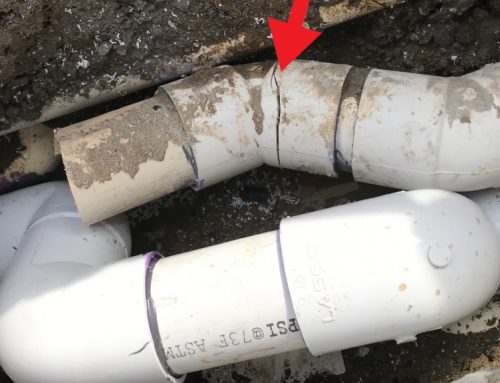
Shaking puts seismic stress on your home. Your plumbing system is no different. Pipes, valves, and sewer lines all flex during a quake. Some recover fine. Others crack inside walls or under your slab.
The 1989 Loma Prieta quake in the Bay Area showed how much hidden pipe damage happens after a seismic event. Galvanized steel pipes split. Threaded connections leaked. Even rigid plumbing in newer Bay Area homes failed.
LA sits on top of major fault lines. The San Andreas fault runs close to many neighborhoods. Each tremor adds wear. Over time, that wear leads to leaks.
A 4.0 quake feels small. But it can shift pipes just enough to crack a joint. A small crack today turns into a flood next month. The water damage from one slow leak can run into the tens of thousands. Your plumbing fixtures may also shift on their mounts. That is why post-quake checks pay off.
Why a Pressure Test Matters After an Earthquake Occurs
A pressure test checks if your water lines hold strong. A plumber caps every fixture. They pump air or water into the system. If pressure drops, you have a leak somewhere.
After a significant earthquake, this test is gold. It finds water leaks before they soak your walls or slab. It also flags damage to gas lines. A safety inspection like this often pays for itself in one visit.
Here is when to call a professional for a pressure test:
- After any quake of 4.0 or higher
- If you notice low water flow at a faucet
- If your water bill jumps for no reason
- If you smell gas or sewer odor near a fixture
- After visible cracks show up in your slab
This assessment is critical for older Bay Area homes and LA homes built before 1994. Many still use rigid plumbing or galvanized steel. Both fail fast under seismic stress.
Post-Earthquake Plumbing Warning Signs Every Homeowner Should Know
Some signs of damage are clear. Others hide for weeks. Watch for these in the days following a tremor.
A pro can spot signs of damage even when nothing looks wrong. That second pair of eyes pays off after every major earthquake.
Gas Leak Safety After a Seismic Event
A gas leak is the top fire hazard after a quake. If you suspect a gas leak, do these steps right away:
- Leave the home with everyone inside
- Do not flip electrical switches or use phones inside
- Turn off the gas at the meter if it is safe
- Call your gas company from outside
- Avoid downed power lines on the way out
Many LA and Bay Area homes now use seismic gas shut-off valves. These valves close on their own when the shaking stops. A seismic gas shut-off valve costs less than fixing a fire. It is one of the smartest pre-earthquake upgrades a homeowner can make.
For older homes, a gas valve and flexible gas connectors give extra protection. Flexible connectors bend during a quake. Rigid fittings tend to break. Damage to gas appliances often starts at these joints.
Quick rule: if you smell gas, leave first. Inspect later. The smell of gas plus any visible damage to a connector means leave now and call from outside. Fire hazards from gas supply leaks turn small problems into total losses.
Why Slab Cracks Threaten Your Pipes Too
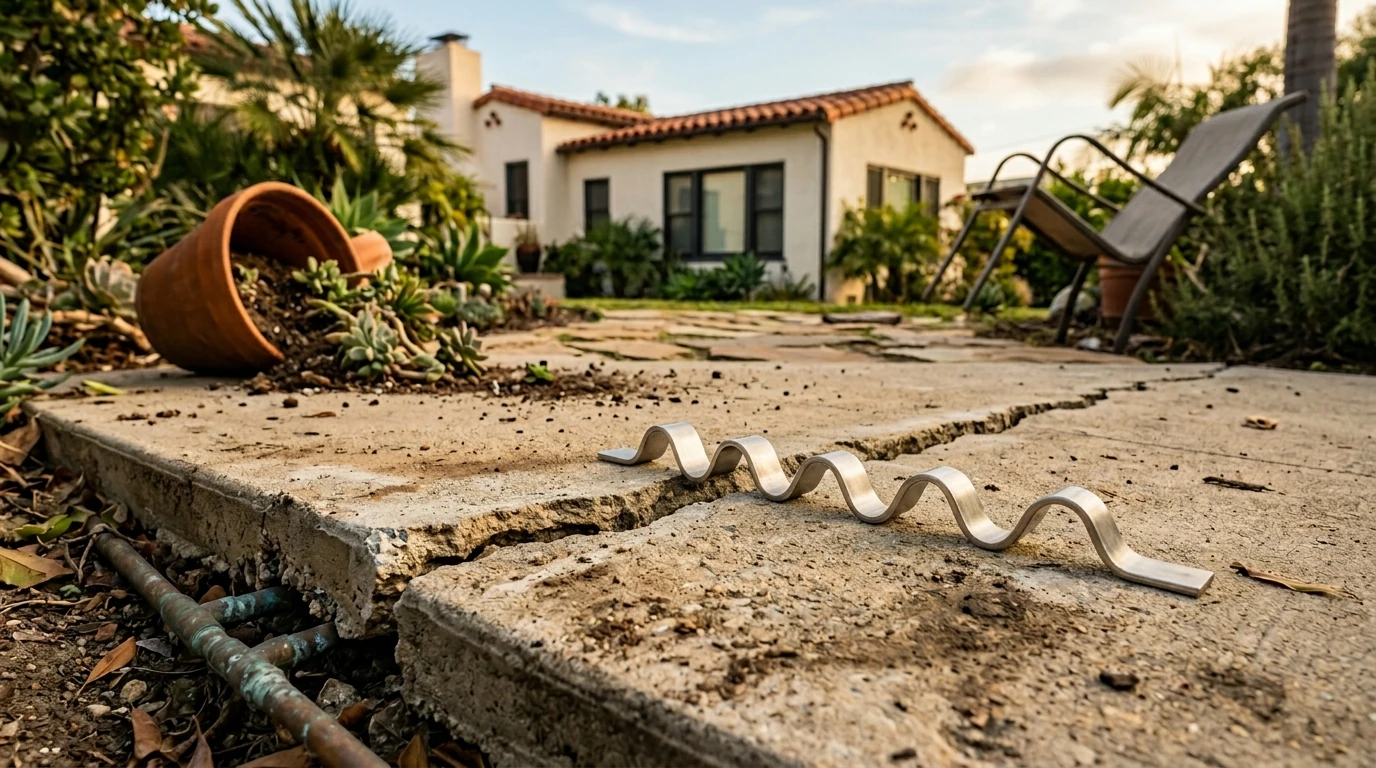
Most LA homes sit on a concrete slab. Your water line and sewer often run through that slab. When the slab cracks, your pipes can crack too. Causing damage twice over.
“We see this every week. A homeowner finds a crack in the slab. A month later, water leaks from below. They are connected.” said a Torque Lock field tech in Agoura Hills.
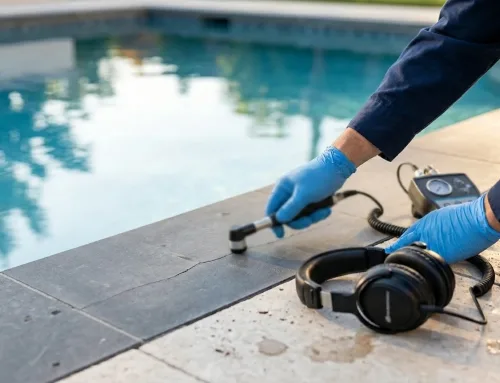
This is where plumbing for an earthquake meets concrete repair. A pressure test finds the leak. A camera inspection shows where. But you also need to fix the slab itself. If you skip that step, the next quake breaks the same pipe again.
Slab cracks also let moisture under the home. That moisture rots wood, ruins flooring, and grows mold. Water line damage and slab damage feed each other. Fix one, and the other still kills your home value.
Older LA homes sometimes used lead-based solder on copper joints. A quake can break those joints. A pressure test reveals the leak. A slab repair seals the path so the next quake does not crack the same spot.
How to Prepare Your Home’s Plumbing for the Next Quake
Smart prep saves money. Here are simple pre-earthquake upgrades for plumbing for earthquakes:
- Install a water shutoff valve near the meter you can reach fast
- Add seismic shut-off valves on the gas line
- Strap your water heater to wall studs (this is required by California code)
- Swap rigid gas connectors for flexible ones
- Bolt your home to the slab if it is not already (a basic retrofit)
- Map your entire plumbing path so you know where pipes run
A retrofit takes one weekend with a pro. The payoff lasts decades. Securing heavy items also keeps fixtures safe when shelves fall during quakes.
How Torque Lock Helps LA Homeowners Repair Slab and Pool Cracks
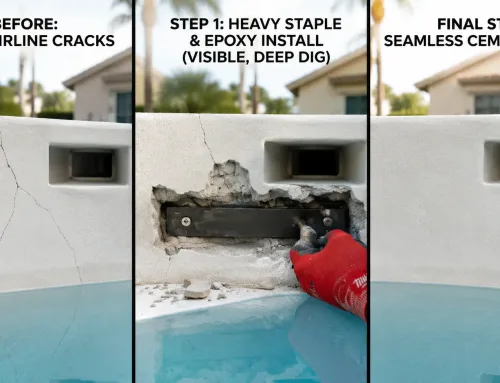
Torque Lock Structural Systems is based right here in LA County, in Agoura Hills. We make the only Controlled Post Tension Staple on the market. Our staples lock concrete cracks shut with up to 5,000 lbs of compression torque per staple.
After a quake, our products help LA homeowners with these repair options:
- TL-10 Staple Kit: Best for small cracks in slabs, walls, and pool shells
- TL-30 Staple Kit: Mid-size cracks in foundation walls
- TL-50 Staple Kit: Large structural cracks in heavy concrete
- TLR-45 and TLR-90 Kits: Corner cracks where walls meet at angles
- TL-12″ and TL-18″ Staple Kits: Long crack runs in long slabs and pool walls
- Crack Seal Flexible Membrane: Watertight seal over the staple
- Quick Lock Hydraulic Cement: Fast set repair for active leaks
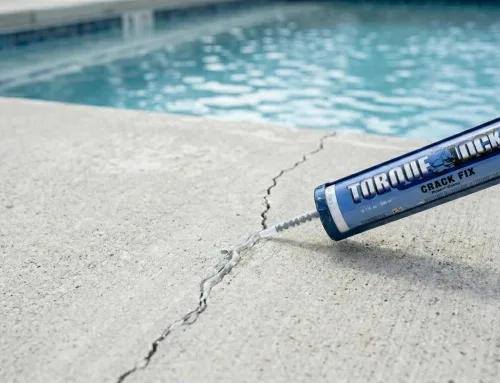
- Crack Fix Epoxy: Bonds the crack before stapling
Our products are used by NASA, the University of Texas, Marriott, and many residential plumbing pros across LA and the Bay Area. Every kit ships with full instructions. We also offer the Torque Lock Structural Repair Training Course for contractors.
If you find structural damage after a tremor, a Torque Lock staple stops the crack from growing. That keeps your slab strong and your pipes safe.
When to Call a Professional Plumber and a Crack Repair Pro
Not every post-quake job is DIY. Here is a quick guide.
| Warning Sign | What It Could Mean | What To Do |
|---|---|---|
| Low water pressure | Pipe damage in the water supply | Call a plumber for a pressure test |
| Hiss near a gas line | Gas leak hazard | Turn off the gas, leave home, call gas company |
| Sewer smell indoors | Cracked sewer lines | Schedule a camera inspection |
| Damp drywall or in-wall stains | Hidden water leaks | Open the wall and inspect |
| Visible cracks in the slab | Slab and water line damage | Repair the crack with Torque Lock staples |
| Pooling water near foundation | Broken water line | Shut off main water valve |
A professional assessment after any major earthquake protects your home’s safety and stability. Pair a plumber’s safety inspection with a structural look at your slab. That combo gives you the full picture of post-quake risk.
Why LA Homeowners Choose Torque Lock for Post-Quake Crack Repair
Torque Lock has been making structural crack repair products in Agoura Hills for years. We serve all of LA County, the East Bay, and the entire Bay Area. Our staples are used on five continents. We have helped repair hundreds of thousands of feet of crack across thousands of pools and bay area homes.
Our team knows what California earthquakes do to homes. We know which repair options last. We know which ones fail in the next quake. Our service area covers every LA neighborhood. From Malibu to the East Bay, our pros stand behind every kit.
Ready to Check Your Home’s Plumbing and Slab After a Tremor?
After a 4.0+ tremor, do not wait. Schedule a pressure test with a trusted plumber. Then check your home’s plumbing path through the slab. If you see visible signs of damage or visible cracks, call us.
Call Torque Lock Structural Systems at (818) 436-2953. We serve LA, the Bay Area, and the East Bay from our Agoura Hills office. Email us at info@torquelock.com. Hours are Monday through Friday, 7:00 AM to 3:30 PM PST.
Plumbing after an earthquake is only half the job. Lock your slab. Save your pipes. Trust Torque Lock.