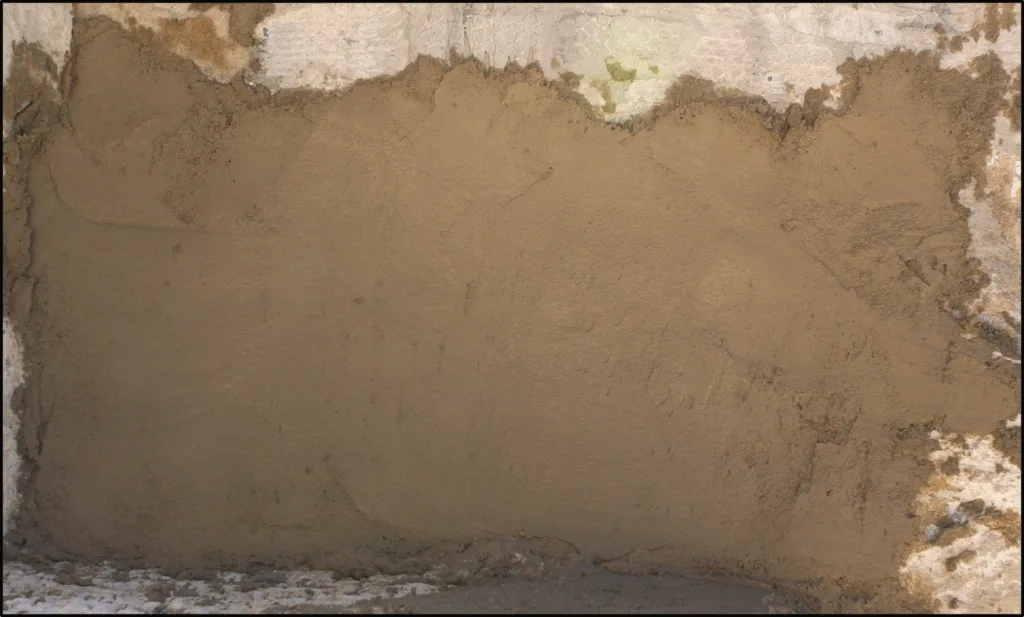
INSTALLATION INSTRUCTIONS FOR THE TL 10-30-50 KITS
READ ALONG INSTRUCTIONS:
STEP 1
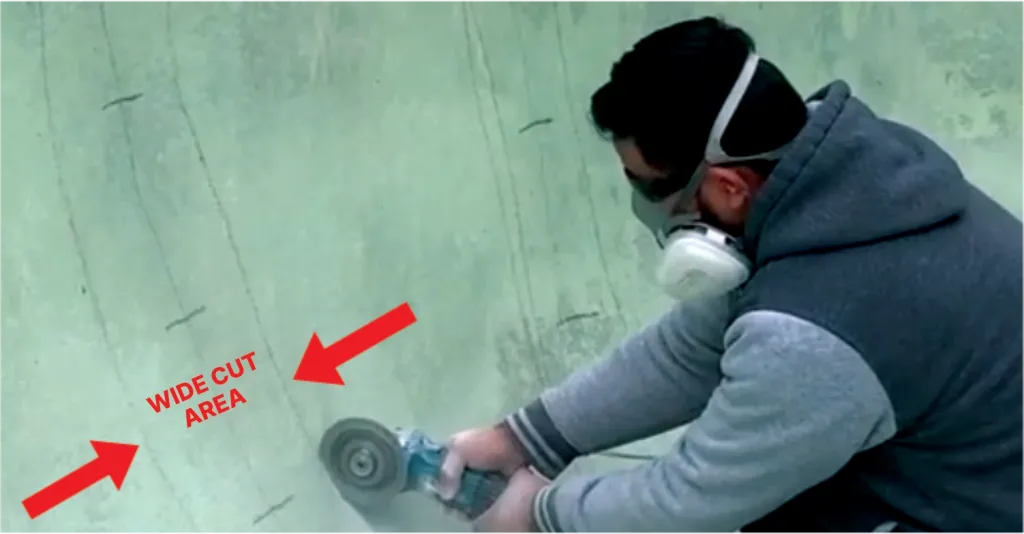
• Cut a 12" area around the crack(s) using a masonry saw when using the 3" and 6" staples.
• For 12" and 18" staples, cut out a window using the template provided. Cut at least 3" on either side of the template to cut wide.
• Using a small hammer drill, carefully chip the plaster inside the wide-cut area.
Note: If the pool is already de-plastered, skip this step.
STEP 2
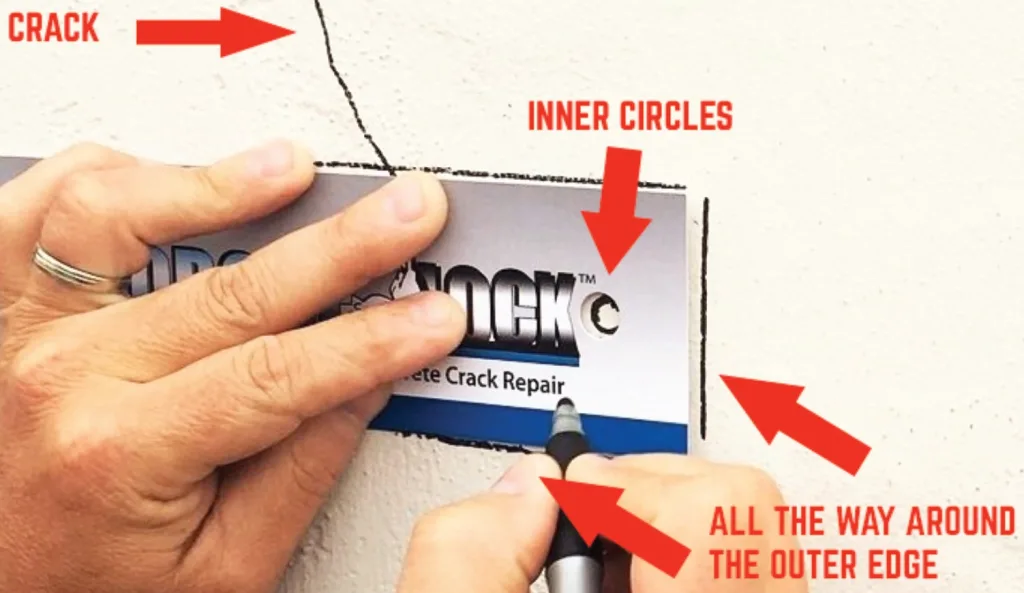
• Using the provided templates, trace and mark cutouts along the crack, spacing them approximately 12 inches apart.
• Alternate between 6" and 3" templates as you move along the crack.
Note: There is no need to alternate staple sizes when using 12" or 18" staples.
• Mark the drill holes on each side of the crack using the circular guides on the templates.
STEP 3
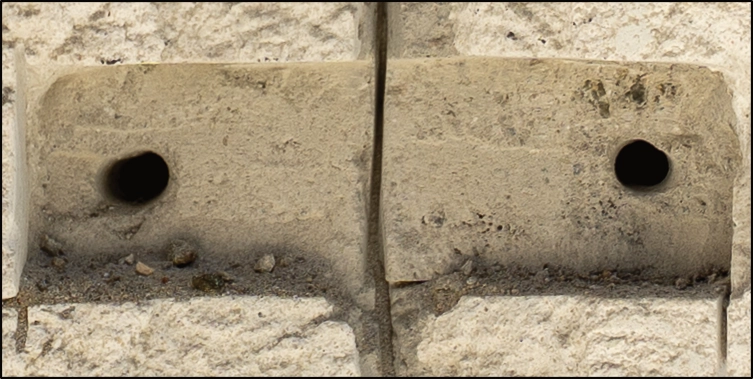
• Use a ½" masonry bit at each drill mark to drill into the structure at least 4" deep.
Note: Drilling deeper will not affect performance.
STEP 4
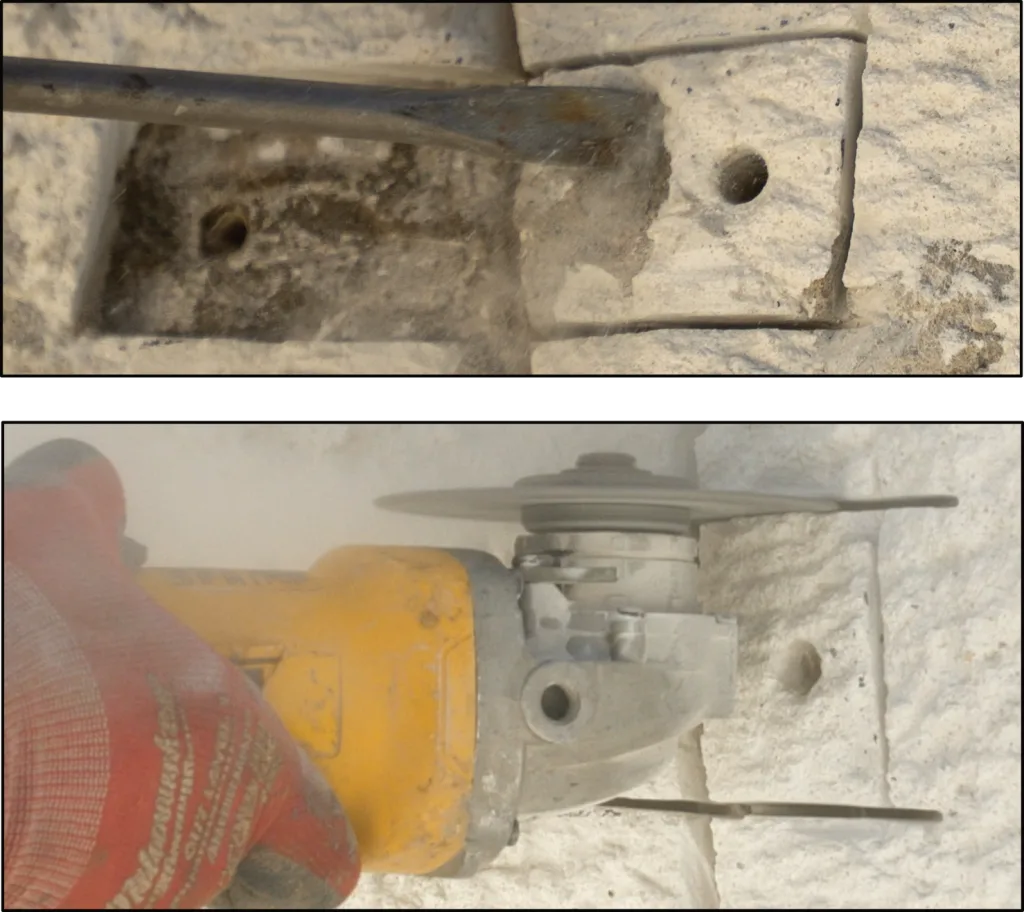
• Use a masonry saw with a 4½" diamond blade to cut along the marked cutout lines to a depth of approximately 2".
• Carefully chip out the area within the cut to create a recess for the staple.
STEP 5
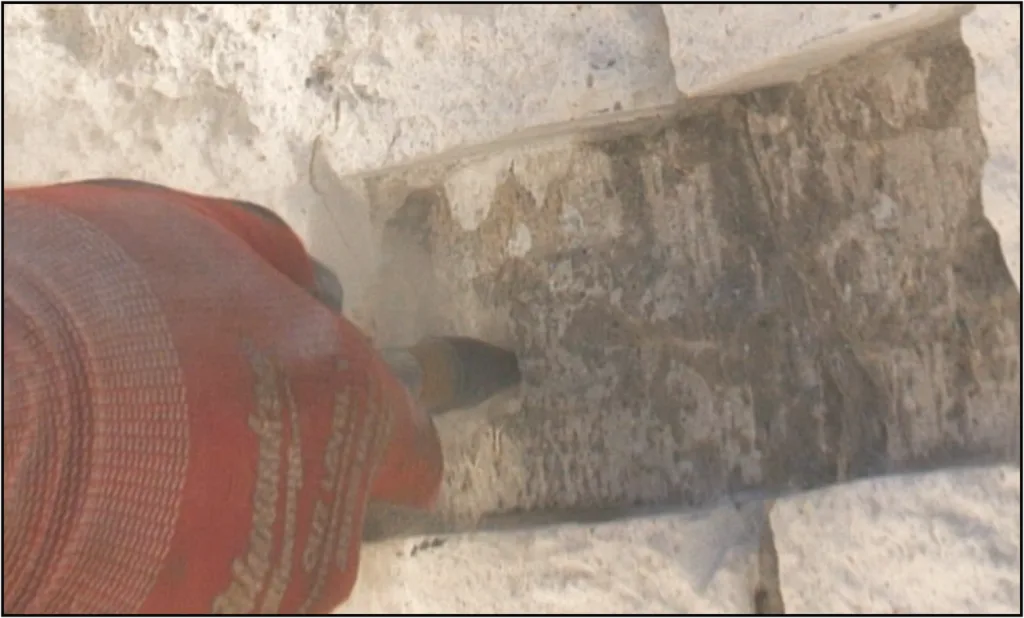
• Clean all cutouts and cracks thoroughly, removing dust and debris.
STEP 6
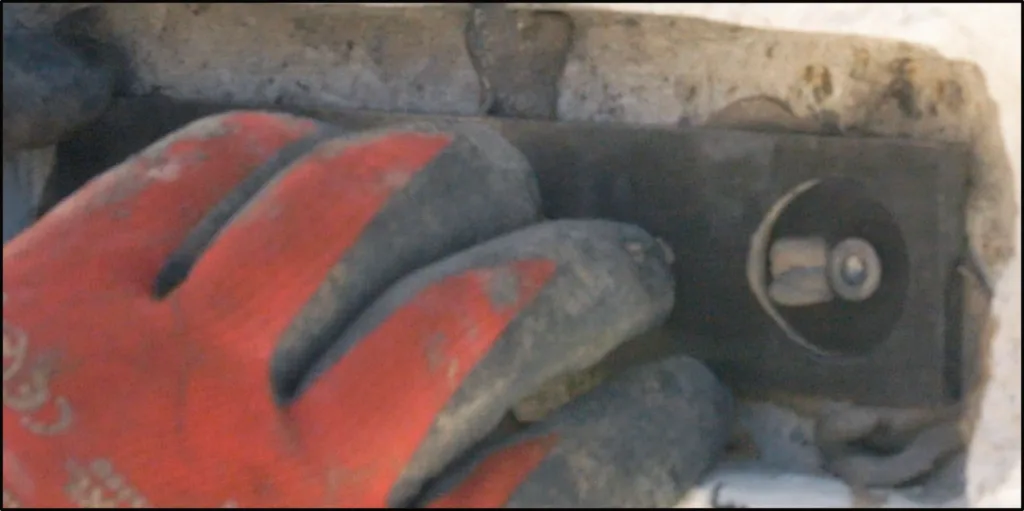
• Assemble the Torque Lock unit.
• Apply the provided epoxy into the pre-drilled holes.
• Insert the staple pins into the holes.
• Push the staple back until the locking plate is secured.
Tip: You may need to gently tap the staple into place using a hammer or mallet.
⚠️ IMPORTANT: Avoid getting epoxy on the cam or locking plate.
STEP 7
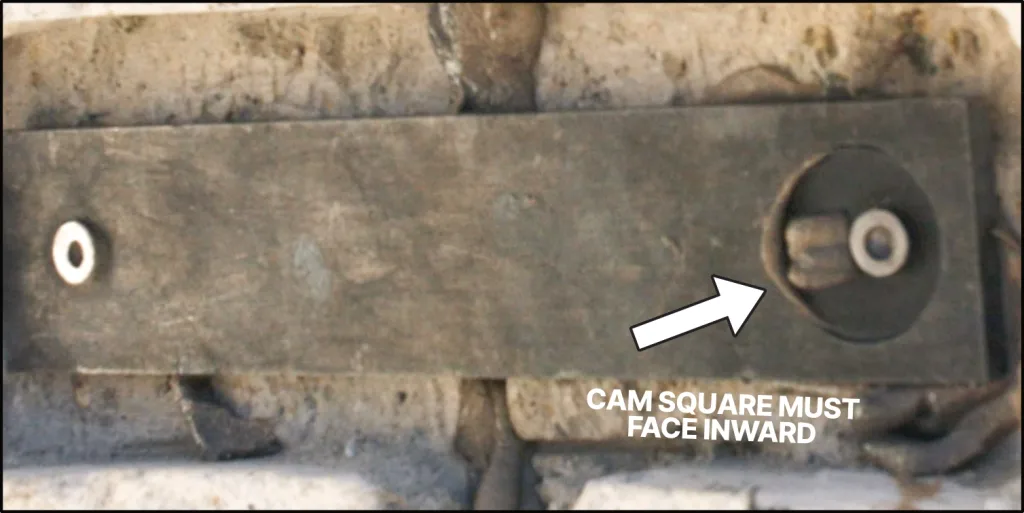
• Ensure the ratchet square faces inward when positioning the staple, as shown in the diagram.
STEP 8
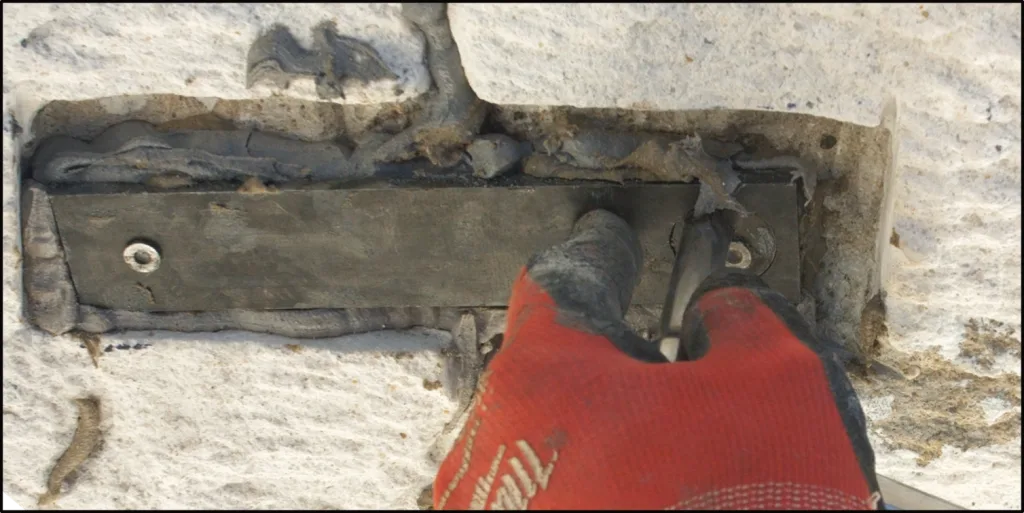
• Insert the torque wrench into the ratchet square using a ⅜" ratchet attachment.
• Turn clockwise to tighten.
Torque specifications:
• 3"/6"/12"/18" staples: 22 ft-lbs
⚠️ If a second crack is within 5 feet, set torque to 12 ft-lbs.
⚠️ DO NOT exceed the recommended torque OR turn more than 180 degrees, whichever comes first.
STEP 9
• Create a shallow "V-Cut" along the structural crack using a diamond or carbide blade.
• Clean out the cracks of dust and debris.
• Use non-shrinking hydraulic cement to fill the cracks and cutouts.
• Trowel the cement tightly into place, ensuring no air pockets or voids are left.
• Once the repair is complete, you can apply your desired finish: plaster, paint, tile, marcite, cool deck, etc.