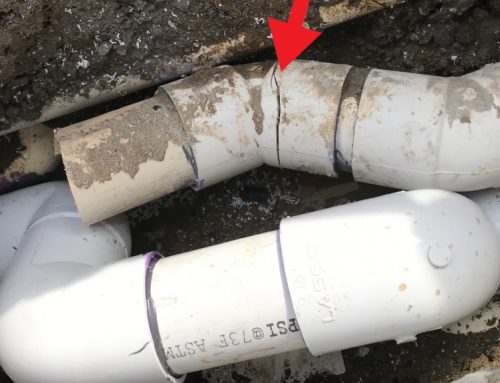
A small leak can turn into a big bill fast. If your pool loses water or your pipe drips, you need to act. But first, you have to find the leak. That is where leak detection methods come in. Knowing the types of leak and the right leak testing methods helps you detect leaks before they spread.
At Torque Lock in Agoura Hills, CA, we have seen it all. We help pool pros and contractors fix cracks that leak. We team up with LeakTronics to find leaks fast and fix them for good. Below we break down the various leak detection methods used today. You will learn how each leak test works, what it is best for, and how to pick the right one. We also cover leak testing technology that has changed the game for identifying leaks of all kinds.
Why Leak Detection Matters
Water or gas loss costs money. It can also lead to mold, rot, and big damage. A good leak test:
- Helps you locate the leak fast
- Saves time and cuts labor
- Protects the test object from more harm
- Keeps your repair on budget
Accurate leak detection is the first step to any good repair. If you miss the leak site, you patch the wrong spot. Then water leaks keep coming back.
What Are The Different Methods Of Leak Detection?
There are many leak detection methods. Each one uses a different tool or signal. Pros pick the best one based on the size of the leak, the test pressure, and the type of system. Here is a quick look.
| Method | Best For | How It Works |
|---|---|---|
| Pressure decay leak test | Closed systems, pipes | Watches pressure drop over time |
| Vacuum decay leak test | Sealed parts | Pulls air out, looks for inflow |
| Mass flow leak test | Low leak rates | Measures flow of air into the part |
| Tracer gas (helium leak) test | Very small leaks | Helium seeps out, sniffer picks it up |
| Dunk test (bubble test) | Small parts, visible leaks | Submerge and look for bubbles |
| Ultrasonic leak detectors | Compressed air, gas lines | Sensor picks up high-pitch sound |
| Spray testing (soap test) | Gas leaks, fittings | Spray on, watch for bubbles |
Now let us take a closer look at each leak test.
Pressure Decay Leak Test
This is one of the most common leak detection methods. You pressurize the test object with air or gas. Then you close it off. If the part leaks, the pressure drops over time.
Pros use pressure decay testing on pipes, tanks, and pool plumbing. Pressure decay leak testing and other decay leak testing methods are fast and do not need fancy gear. You just need a sensor that reads pressure or flow well. It works well for gas testing too and helps nail down leak location on long runs.
Best for: Pool lines, gas pipelines, auto parts, and closed pipeline systems. Watch out: Temp swings can fake a pressure drop. Always factor in heat.
Vacuum Decay Leak Test
Vacuum decay works like pressure decay but in reverse. You pull air out of the test object to create a vacuum. Then you watch the pressure inside. If air leaks in, you know the part has a hole.
Vacuum decay leak test gear is great for sealed parts. Think medical packs, fuel tanks, and auto sensors. It is highly sensitive and good at finding small leaks.
Mass Flow Leak Test
Mass flow testing measures the flow of air moving into or out of a part. If there is a leak, air flows. The sensor gives you a clear number in real time.
Mass flow leak testing is quick. It works well on parts with tight seals. It is used a lot in quality control on the factory floor. You can even quantify the leak rate. That helps you decide what is an acceptable leak and what is not.
Tracer Gas Leak Testing
This is one of the most accurate leak detection methods out there. You fill the test object with a tracer gas, like helium. Helium is small, safe, and rare in the air. A sniffer probe then scans the outside of the part.
If helium comes out, the sniffer beeps. You get the exact location of a leak fast. Helium leak tests can find leaks 100 times smaller than most other tests.
When to use it:
- Detecting small leaks in fuel systems
- Testing gas pipelines and gas leak-prone parts
- Finding leaks in medical devices and aerospace parts
Dunk Test (Bubble Test)
The dunk test is one of the traditional methods. You pressurize the part, then put it in water. If you see bubbles, you found the leak.
It is simple. It is cheap. And for visible leaks, it works. But it is not great for low leak rates. Small leaks may not bubble at all.
Ultrasonic Leak Detectors
Leaks make high-pitch sound. Most of it is too high for our ears. Ultrasonic leak detectors pick up that sound with a sensor.
This is great for compressed air lines, gas lines, and pipe fittings. You can sweep a large area fast. You do not need to shut the system down. Pros love these detectors for leak detection and repair jobs in big plants.
Spray Testing and Sniffer Tools
Spray testing is an old trick that still works. You spray soapy water on a joint. If gas or air leaks, bubbles form. It is quick, cheap, and safe.
A sniffer tool takes it up a notch. It uses a sensor to find specific gases. Think propane, natural gas, or refrigerant. These tools help pros locate leaks in tight spots.
Leak Detection for Pools and Pipelines
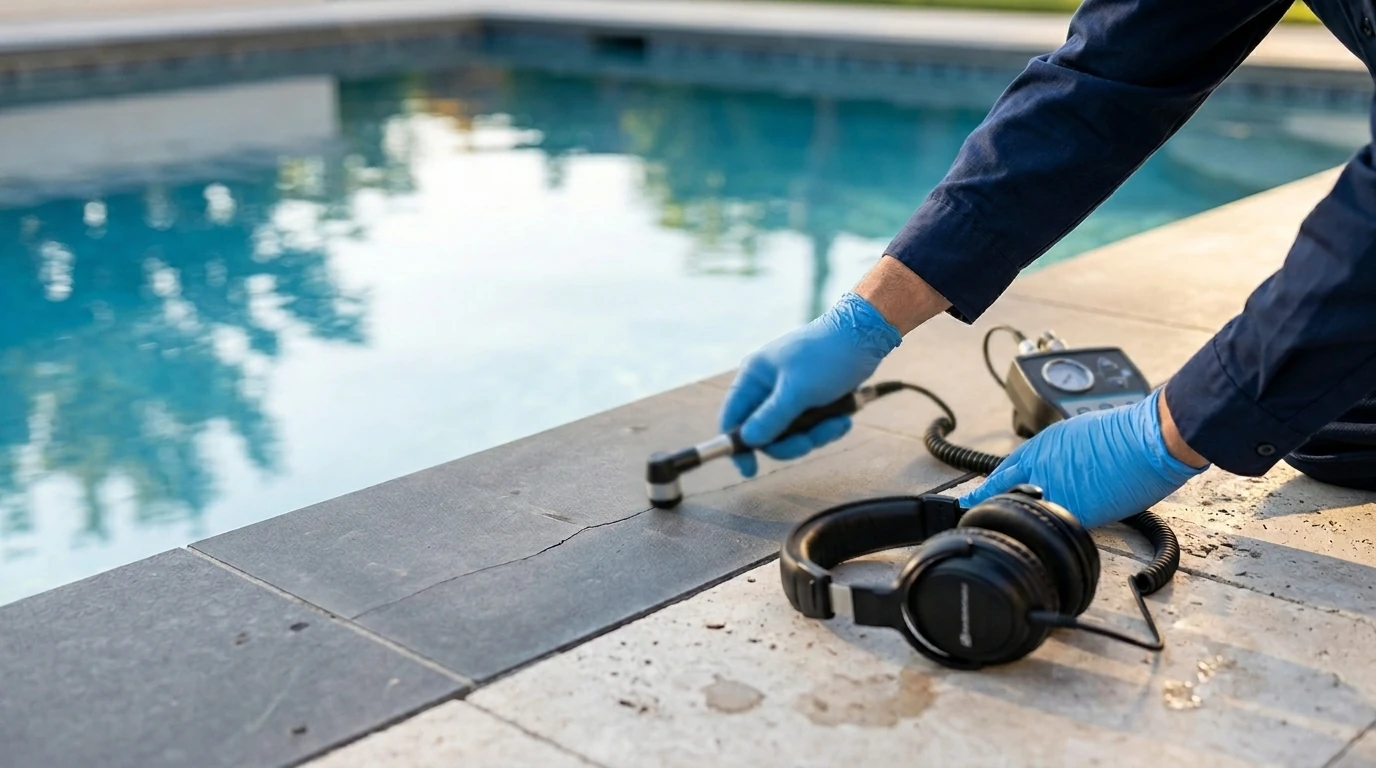
For pool leaks, the game is a bit different. You cannot dunk a whole pool in water. So pool pros use these leak detection methods:
- Pressure test on plumbing lines to check each line one at a time
- Acoustic leak detection with a mic to hear the leak
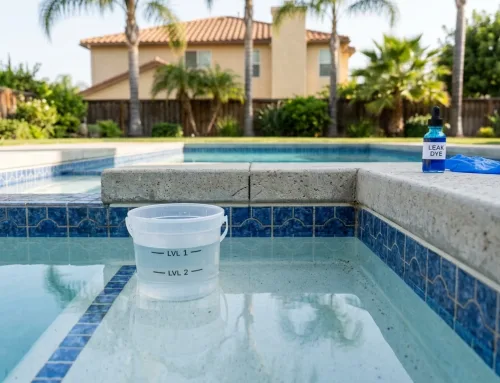
- Dye testing near cracks to watch the dye flow
- Camera inspection inside pipes to spot cracks
Our partner LeakTronics makes some of the best leak detection equipment on the market. Their pipe probes, audio amps, and monitoring systems help pros find leaks fast. These tools are highly sensitive and work on PVC, copper, and steel pipe.
For pipeline leak detection on bigger jobs, pros often use a mix of tools. Tracer gas, pressure decay, and sensors on the line all help. Modern leak detection systems can even send alerts to a phone if a line drops pressure. This matters a lot for pipelines transporting fuel, water, or gas, where any leakage can cause harm fast.
How to Pick the Right Leak Detection Method
Not every job needs fancy gear. Here is how to choose:
- Kind of leak: Is it water, fluid or gas, or air?
- Size of the leak: Tiny pinhole or big crack?
- Test pressure: How much can the part take?
- Cost vs. accuracy: Do you need pinpoint data or just a yes/no?
- Non-destructive need: Must the test leave the part intact?
Non-destructive testing (NDT) is key for parts you cannot take apart. Helium leak tests and ultrasonic scans are both non-destructive leak checks. They find the leak without harming the test object.
For most pool and plumbing jobs, a pressure decay leak plus a sniffer or acoustic tool does the trick. For high-spec jobs, helium is king.
Common Leak Detection Tools We Recommend
| Tool | Use Case | Why Pros Like It |
|---|---|---|
| LeakTronics Pool Scope | Pool shell leaks | Live video inside the pool |
| LeakTronics Pipe Probe | Buried lines | Finds leaks in PVC, copper, steel |
| Pressure gauge + valve | Pressure decay test | Low-cost, fast results |
| Helium sniffer | Tiny leaks | Highly sensitive, accurate |
| Ultrasonic leak detector | Compressed air lines | Works on live systems |
Good leak detection technology pays for itself. It saves hours on each job and helps you plan the right fix.
After You Find the Leak: The Torque Lock Fix
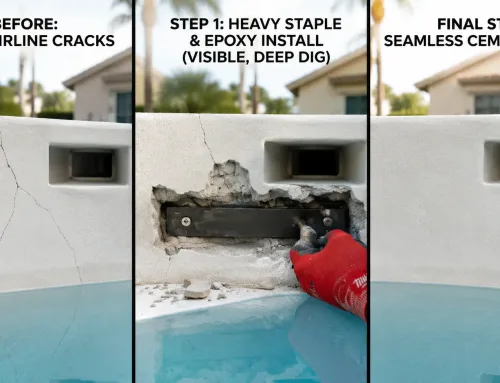
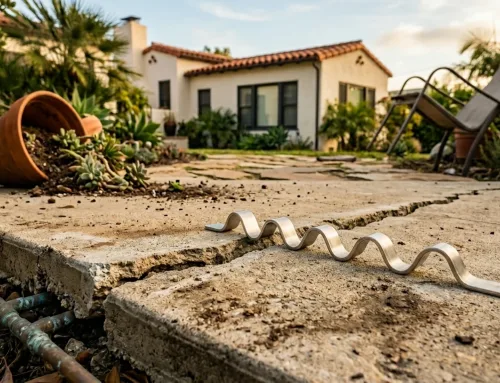
Once you locate the leak, you have to fix it. If the leak comes from a crack in concrete, plaster, or Gunite, epoxy alone may not hold. That is where Torque Lock Staples come in.
Our staples add up to 5,000 lbs of compression torque per staple. They close the crack and keep it closed. Paired with our Crack Fix Epoxy and Crack Seal Flexible Membrane, you get a final fix that lasts.
“Accurate leak detection from LeakTronics saves time and money by precisely identifying pipe leaks.” Torque Lock Team
For pools, spas, fountains, and concrete foundations, our kits cover it all:
- TL-10, TL-30, TL-50 for straight cracks of 10, 30, and 50 feet
- TLR-45 and TLR-90 for corner and radius cracks
- Quick Lock Hydraulic Cement for fast set patching
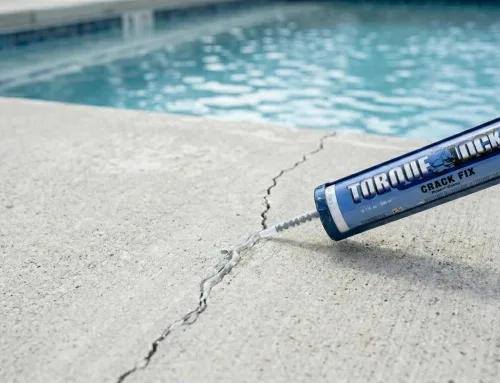
- Crack Fix Epoxy to seal and bond
We make every kit in-house at our Agoura Hills, CA shop. That keeps quality high and your repair strong.
Why Pros Trust Torque Lock for Pool and Pipe Repair
Since 2004, our founder Darren Merlob has been fixing what others cannot. The Torque Lock Staple is the only patented post-tension staple on the market. Today, pros on 7 continents use it. Big names trust us too, like NASA, Marriott, HGTV, and Texas Parks and Wildlife.
When you pair good leak detection with a true structural fix, you solve the problem once. No more patch jobs. No more call-backs. That means better system reliability for your clients.
Common Questions About Leak Detection Methods
What is the most accurate leak test? Tracer gas leak testing with helium. It can find very small leaks that other tests miss.
Can I skip leak detection and just fix the crack? No. If you miss the leak site, water keeps flowing through. Always detect first, then repair.
Do I need to pressurize the system for every test? Most methods need test pressure. A dunk test and spray testing do too. Some acoustic checks do not.
Are there leak detectors for home pools? Yes. LeakTronics makes pro kits that also work for DIY owners. We can point you to the right one.
How fast can you find a pool leak? With the right leak detector and sensor gear, most leaks are found in under an hour. Then you fix it.
Ready To Find And Fix That Leak For Good?
Do not let a small leak grow into a big job. Use the right leak detection methods first. Then trust Torque Lock to fix the crack that caused it.
Call Torque Lock at (818) 436-2953 to talk with our team. We can help you pick the right repair kit, point you to trusted leak detection equipment, and send you a certified pro from our Find A Pro map.
Torque Lock Structural Systems 28436 Roadside Drive #1 Agoura Hills, CA 91301 (818) 436-2953 info@torquelock.com Mon to Fri: 7:00 AM to 3:30 PM PST
We ship across the U.S. and the world. For pool pros in Los Angeles, Ventura County, and the San Fernando Valley, we are your local source for lasting crack repair.